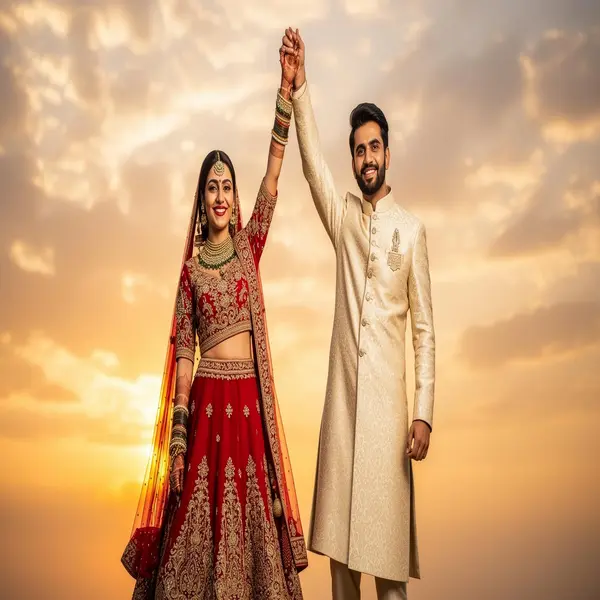
Sindhi Marriage Customs and Traditions Explained: What to Expect
A complete guide to Sindhi marriage customs and traditions — from Kachi Misri and Berana to Saanth, Lada, and Satauras. Know exactly what to expect at a Sindhi wedding.
By SindhiJodi Team
A Sindhi wedding is a beautiful blend of devotion, family bonding, music, and centuries-old rituals. If you are attending or planning a Sindhi marriage for the first time, the number of ceremonies can feel overwhelming. This guide walks you through every important Sindhi marriage custom and tradition so you know exactly what to expect.
The Spirit of a Sindhi Wedding
Sindhi weddings are deeply rooted in faith, joy, and community. Even though Sindhis are scattered across India and the world, the core rituals remain remarkably consistent — passed down lovingly from grandparents to grandchildren. Expect singing, ladas (folk songs), elders blessing the couple, and lots of mithai.
Pre-Wedding Customs
1. Kachi Misri (Engagement)
The first formal step. Both families meet, exchange sweets, and the groom's family offers misri (rock sugar), coconut, and clothes to the bride. It is an informal commitment between the families.
2. Pakki Misri (Roka / Tikka)
A larger gathering where the engagement is officially announced. The bride receives jewellery, sweets, and gifts. The groom is applied tikka on his forehead.
3. Berana Satsang
Unique to Sindhis, this is a religious gathering held at both homes before the wedding. Hymns are sung, scriptures recited, and blessings sought for the couple's future. It sets a spiritual tone for the wedding.
4. Lada
A musical evening where women of both families gather to sing traditional Sindhi folk songs called ladas. These songs tease the bride and groom and celebrate their union.
5. Ghari Puja (Devta Sthapana)
Performed in both homes a day before the wedding to invoke Lord Jhulelal and family deities. A kalash (sacred pot) is installed at home and remains until the wedding rituals end.
6. Saanth
One of the most beautiful Sindhi rituals. Oil and haldi are applied to the bride and groom by seven married women (saubhagyavatis). It is believed to bless the couple with prosperity and a long married life.
7. Wanwas
A pre-wedding ritual where the bride/groom is fed sweets and tied with sacred thread by relatives. It symbolises protection from negative energies before the big day.
8. Mehndi
Like most Indian weddings, the bride's hands and feet are decorated with henna. The deeper the colour, the more love from the spouse — as the saying goes.
Wedding Day Customs
9. Tih (Wedding Day Worship)
On the morning of the wedding, both families perform a small puja and offer prayers for the couple.
10. Navgrahi Puja
The groom worships the nine planets (Navgraha) at his home before leaving for the wedding venue, seeking cosmic blessings.
11. Baraat & Welcome
The groom arrives with his family in a lively baraat. The bride's family welcomes them with aarti, garlands, and sweets at the entrance.
12. Jaimala (Varmala)
The couple exchange floral garlands amid cheers, music, and showers of flower petals.
13. Paloo Pallav
A signature Sindhi ritual. The groom's dupatta (paloo) is tied to the bride's chunni, symbolising that the two souls are now bound for life.
14. Hathialo
The bride's father places her hand into the groom's hand, formally giving his daughter to her new family.
15. Pheras (Saat Pheras)
The couple takes seven sacred rounds around the holy fire, each phera representing a vow — duty, strength, prosperity, love, children, health, and friendship.
16. Datar
After the pheras, the bride and groom exchange small handfuls of rice and money — a beautiful gesture symbolising shared prosperity.
Post-Wedding Customs
17. Vidaai
An emotional farewell. The bride throws back handfuls of rice over her head as a gesture of repaying her parents for everything they have given her. Most families struggle to keep their eyes dry here.
18. Satauras
When the bride arrives at the groom's home, she is welcomed with a small ritual. She gently kicks a kalash filled with rice at the doorstep, symbolising prosperity entering the new home.
19. Dev Uthana
The kalash installed during Ghari Puja is removed, marking the formal conclusion of the wedding rituals.
20. Reception
A grand celebration where the newlyweds are introduced to extended family and friends — usually with great food, music, and dancing late into the night.
What Makes Sindhi Weddings Unique
- Faith-driven: Strong presence of Berana satsangs and Jhulelal devotion
- Music-rich: Ladas, dholki nights, and traditional folk singing
- Family-centric: Rituals like Saanth involve seven married women, not just immediate family
- Symbolic gestures: Paloo Pallav, Datar, and Satauras give Sindhi weddings their distinct identity
Tips for Guests Attending a Sindhi Wedding
- Dress in bright, festive colours — Sindhis love vibrancy.
- Carry shagun (cash gift) in odd amounts (₹101, ₹501, ₹1001).
- Don't be late for the Saanth and Berana — they begin early.
- Try the food: sai bhaji, koki, dal pakwan, and mithai are unmissable.
- Join the ladas — even if you don't know the words, the spirit matters.
Final Thoughts
Sindhi marriage customs are a beautiful reminder of how community, faith, and family come together to bless a new chapter of life. Whether you're the bride, groom, or a guest, embracing these traditions will make the experience unforgettable.
Looking for a life partner who shares these very values? Create your free profile on SindhiJodi and connect with verified Sindhi families across India and abroad.